Darwin Concrete Layers
Call 08 7943 6030Concrete Layers in Darwin
Finding reliable concrete layers in Darwin can make or break your project. Our experienced concrete layers in Darwin work on residential, commercial and industrial sites, delivering accurate, high-quality results every time. From small slabs to large pours, our crews have the skills, equipment and local knowledge to get the job done properly, even when the weather and schedule are tight.
We take pride in clear communication, fair pricing and workmanship that lasts. Our concrete layers handle site preparation, formwork, reinforcement, pouring, finishing and curing, so you deal with one trusted team from start to finish. Whether you are a homeowner, builder or developer, we make concrete simple and stress-free. Contact our concrete layers in Darwin today to discuss your project and receive a free quote.
What Our Darwin Concrete Layers Do
Slabs and Outdoor Areas for Your Home
We pour driveways, patios, paths, carports and shed slabs for homeowners all over Darwin, from harbourside units to acreage in the rural area. One crew looks after your job the whole way, so the person who measured up and priced it is the same one standing there when the concrete truck pulls in.
Subcontract Laying for Builders
Are you a builder, renovator or small developer who needs slabs, paths and driveways done on your timeline? We read your plans, fit in around the other trades and leave a clean, finished pour so the next crew can get straight to work.
Decorative Finishes by Our Own Crew
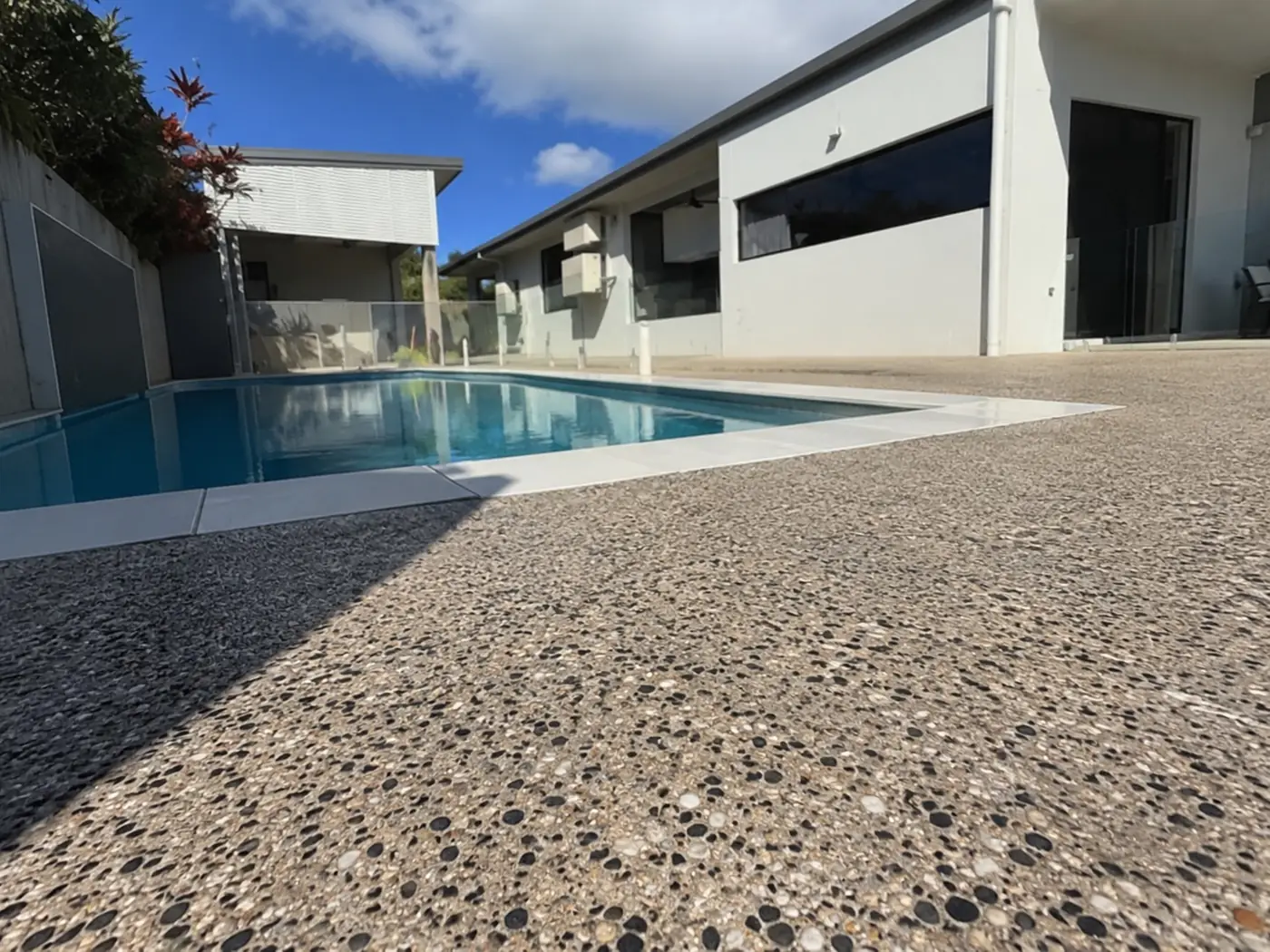
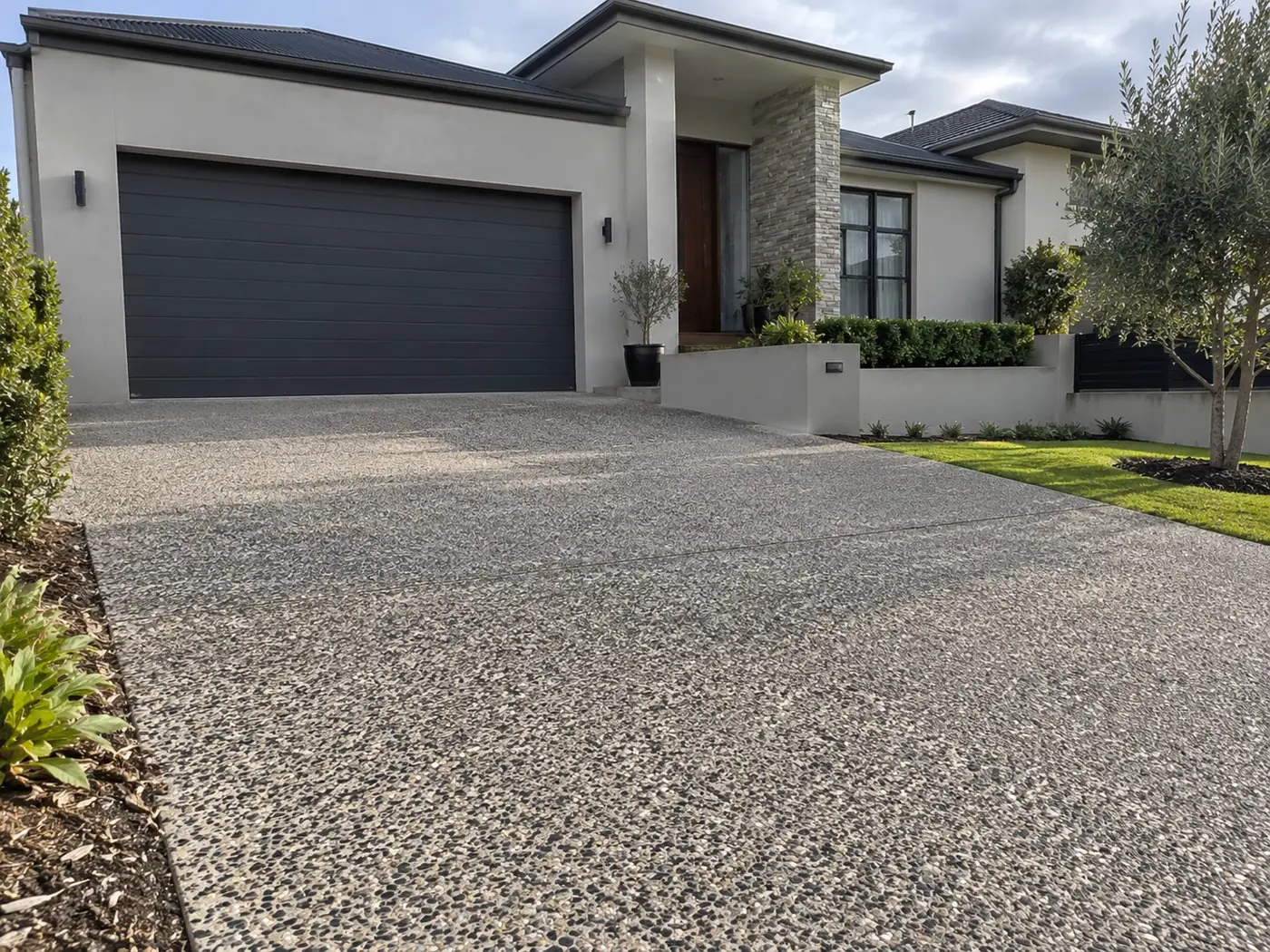
Our team places and finishes exposed aggregate, coloured concrete, stencilled patterns and broom textures. If you choose your finish early, we can plan the mix, timing and sealer so the look you loved on the sample board copes with the Top End sun and rain.
Steps, Stairs and Landings
We build concrete entry stairs for elevated tropical and high-set homes, plus landings at the bottom of timber stairs where the ground has worn bare. Your risers and treads come out even and comfortable to walk on, with a textured top so they stay safe after a downpour.
Break Out and Replace
Is your concrete cracked, lifting or sinking? We break it out, cart it away and pour a new slab built properly from the ground up. Demolition, disposal and new groundwork all happen in one job, which is usually easier than juggling a separate excavator and concrete crew yourself.
Small Pours and Handy Jobs
Need a bin pad, air-con plinth, clothesline base, fence post footings or a quick step repair? Bigger outfits often say no to these. We bundle small tasks into one visit where we can, so you're not paying a separate call-out for each.
Booking Concrete Layers in Darwin: Three Simple Ways to Start
Whatever the size of your job, it starts with a chat about what you want and what your site is like. We keep that first step easy, and you're welcome to ask us anything before you commit.
- Give us a ring: Call 08 7943 6030 and tell us about the job in your own words. We'll explain how we'd tackle it and what we need from you to price it.
- Send us your plans: Email your builder's drawings, approvals or even a rough hand sketch, and we'll go through them properly before we reply.
- Get us out to your place: We'll check your soil, levels and machine access in person, so your price isn't built on guesswork.
Whether it's a driveway in Nightcliff or a shed slab out at Humpty Doo, you'll be dealing with local concreters who explain every step and keep your site neat. You can count on honest answers, sensible timeframes and a written quote you can compare. Pick whichever option suits you best and we'll get your project moving.
Concrete Laying for Darwin Homes
Most of what we pour is for homes: house slabs, driveways, paths, patios and footings across Greater Darwin, on brand new builds and on older places where the original concrete has had its day. Whether you're a homeowner, builder or property manager, we usually run into the same hurdles: soil that goes soft in the wet, flat blocks where runoff has nowhere to go, and yards that are tricky to get into.
For new homes, we work to the engineer's drawings and slot into your builder's schedule, so the framers aren't kept waiting. For older homes, we start by finding out why the old concrete failed. Pour fresh concrete on the same weak base and you'll likely see the same cracks again after a few wet seasons.
We pour plenty of shed, garage and workshop slabs too. What you'll store decides the slab you need: a ride-on mower and garden tools ask far less of your concrete than a car up on stands or a line of heavy machines. So we choose thickness and steel for your actual use, not a standard one-size slab.
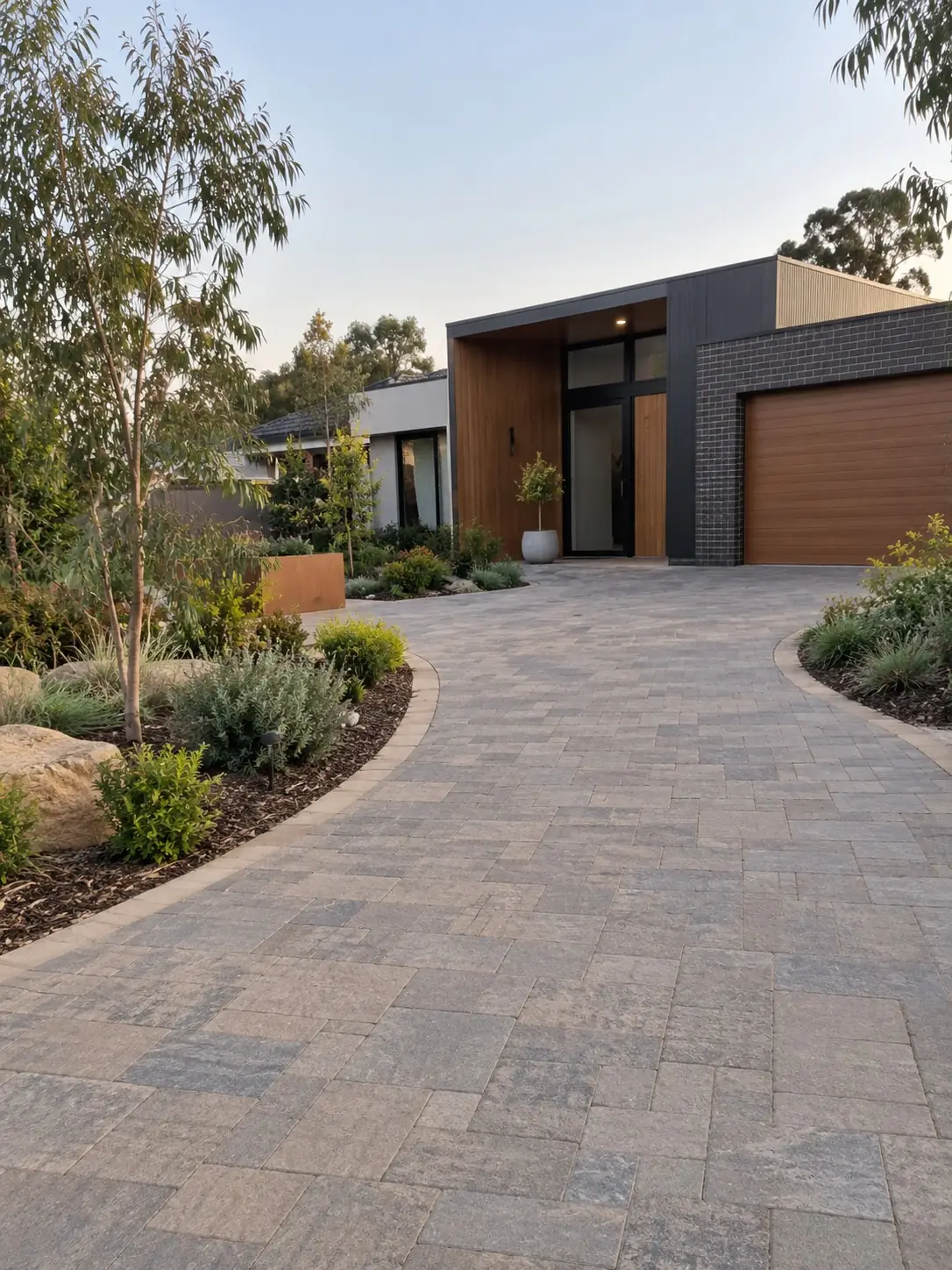
Your driveway or parking pad probably takes the heaviest everyday loads on your property, and in Darwin it often does so on ground that's soaked through every wet season. That's why digging depth, compaction, steel position and runoff control matter even more when monsoon rain has so few places to go.
On patios and outdoor living areas, the finish matters most, because you'll walk on them barefoot and look at them every day. We'll talk you through broom, exposed, honed, coloured or stamped options based on your home's style and how much full sun the area gets, as darker concrete can get scorching underfoot.
Smaller jobs like paths, entries, steps and pool surrounds go through exactly the same steps, just on a smaller scale. Because truck, pump and cartage fees weigh more heavily on small areas, combining a few of them into one pour can often save you money.
Concrete Laying for Darwin Businesses
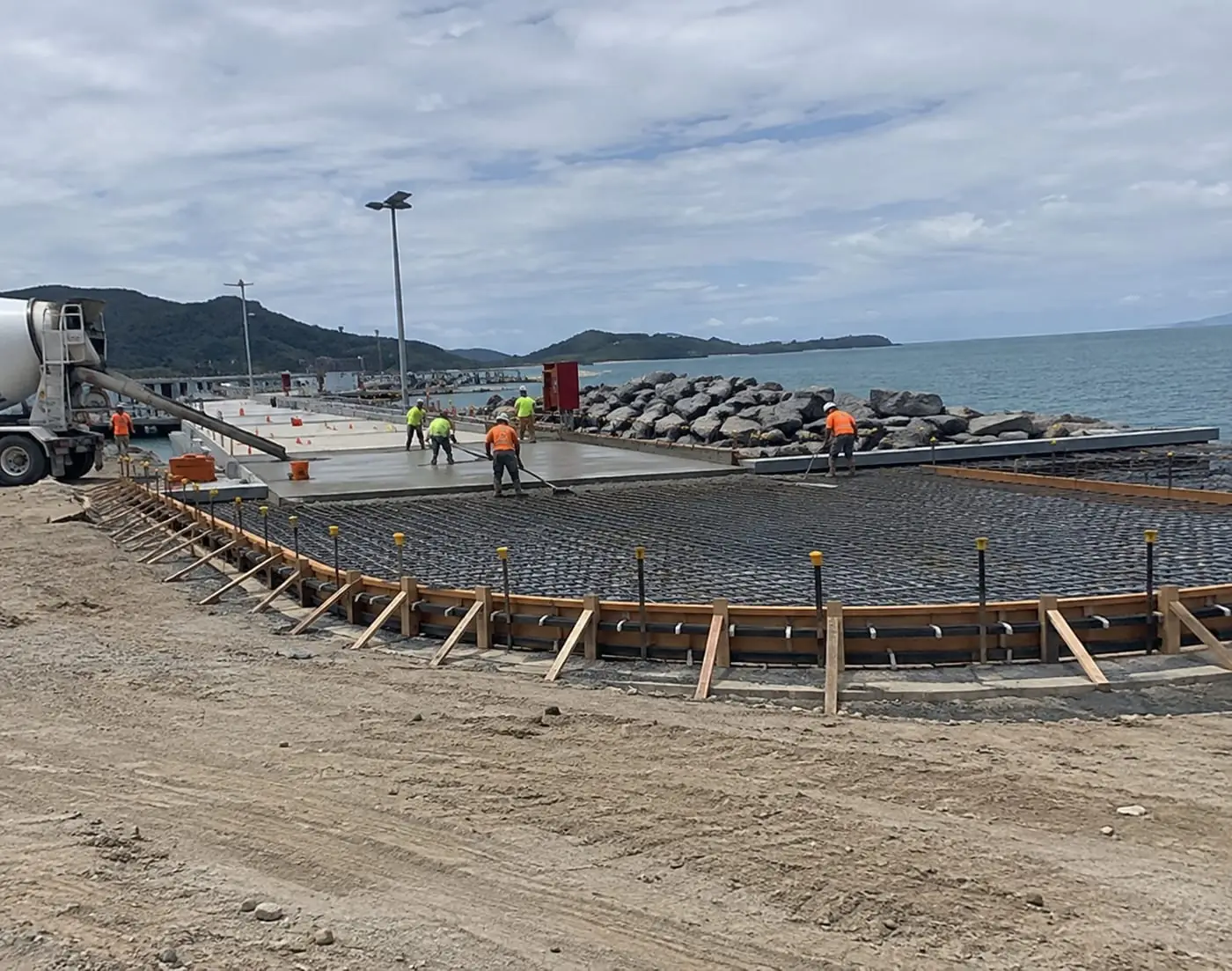
For local businesses, developers and property managers, we build car parks, forecourts, loading docks, workshop floors, storage yards and hardstands. These slabs need a much tougher design, because delivery trucks and parked machinery put far more strain on concrete than your family car.
Car Parks and Forecourts
Sloped so stormwater heads to the pits, reinforced for non-stop traffic, and thickened where cars crowd together at entries, exits and tight corners.
Warehouse and Workshop Floors
Flat, hard-wearing internal slabs, with joint spacing and surface tolerances set around the forklifts, racking or machinery you'll be running.
Loading Dock Aprons
Built heavier for trucks backing in and standing loads, which work concrete much harder than vehicles just rolling through.
Hardstands and Storage Yards
Yards for storage and plant, designed for point loads and the twisting of turning wheels, which soon crumble a thin slab edge.
Café and Shopfront Courtyards
Outdoor dining terraces, courtyards and shop entries for Darwin businesses, finished to look inviting and keep your customers sure-footed.
Pours Done in Stages
Large areas broken into manageable pours with properly detailed construction joints, so your business keeps trading and each section gets a careful finish.
Plinths for Tanks and Machinery
Level, reinforced bases for water tanks, compressors, generators and fixed plant, sized for their working weight and detailed to handle vibration.
We plan every commercial job on its own merits: the weight it has to carry, the stormwater it has to clear, how to stage pours so you can keep trading, and how supply and pumping fit around the Top End weather. Getting that sorted before the first truck rolls up saves headaches once work begins.
Why Getting the Layers Right Matters
We're fussy about the build-up because almost every failed slab we look at has failed from underneath, not on top. Usually the concrete itself is fine. The trouble is topsoil nobody removed, a base tipped in and compacted in one thick layer, missing drainage, or mesh lying on the ground where it's useless.
When we excavate, we remove topsoil, roots, soft spots and old fill that would sink under load. How deep we go depends on what we find, and on soft or boggy ground it's often deeper than you'd guess. We then check the exposed subgrade and roll it firm before any crushed rock goes in.
Your slab's thickness and steel must suit the heaviest weight it will ever carry. On a driveway, that's the largest vehicle likely to park there, not just your daily car. Mesh or bar holds the sides of any crack tight, but only if it's chaired at the correct height with enough concrete over it.
We plan drainage well before pour day, so water flows off your slab rather than pooling under it. The finish sets how it looks and how slippery it is, and curing decides whether your concrete ever reaches the strength it was designed for.
When every layer goes in properly and in sequence, you're far less likely to see:
- Random cracks and shifting panels
- Sunken patches where the base wasn't compacted
- Raised lips and uneven sections you could trip on
- Water pooling because of poorly set falls
- Crumbling edges where tyres run and support is weakest
- Premature failure and an expensive repair or rebuild
What to Expect When You Book Us
Free On-Site Chat
We meet you at the property, look at the ground and talk about finishes and your budget. It's free and you're under no obligation.
Itemised Written Quote
You get a written price broken into earthworks, base, drainage, steel, concrete, pump hire, cartage and finishing, so you can check every dollar.
Supply Booked In
We calculate your concrete volume and confirm supply and pumping before we set a pour date, so the date you get is one we can keep.
Preparing the Ground
We excavate, lay and compact crushed rock, put in drainage and set the forms. It's the slowest and least exciting part, yet it decides how well your slab performs.
Pouring Your Concrete
We do a final check of steel and levels, then place and finish the concrete with enough hands on deck to complete the area before it stiffens.
Curing, Cutting and Hand-Over
We cut joints at the right time, manage curing, strip the forms and clean up. Then we tell you when it's safe to walk and drive on your new slab.
Why Darwin Clients Choose Our Concrete Layers
We Know Darwin's Ground
Soft, salty ground near creeks and mangroves, lateritic gravel, ironstone and boggy clay patches: soil here can change from one street to the next. We set your base depth, slab thickness and steel after we've seen your site, not from a one-size-fits-all detail.
Experienced Finishers
How your slab looks and how grippy it feels are decided in a short window after the pour. Our finishers know exactly when to float, broom or expose the aggregate in tropical conditions, so you get an even, consistent surface.
Honest Advice for Your Budget
A simple broom finish with a tidy border is sometimes the smarter choice over a pricey decorative look. We'll tell you where spending more really pays off and where it doesn't, so your money goes where it matters.
Respect for Your Property
We protect your fences, lawn, paving and walls from splatter and truck damage, and we contain concrete washout instead of hosing it into the gutter. When we pack up, the only difference you should see is your new concrete.
Considerate to Your Neighbours
Pour days mean trucks, pumps and noise in your street. We let neighbours know when it's likely to affect them, keep shared driveways open where we can and never block access longer than we need to.
Aftercare Tips in Writing
At the end of every job you get simple written notes on cleaning your slab, when sealing is worthwhile, which chemicals to steer clear of and how to handle mould in shady spots. A bit of early care keeps new concrete looking good for longer.
Recent Concrete Jobs Around Darwin
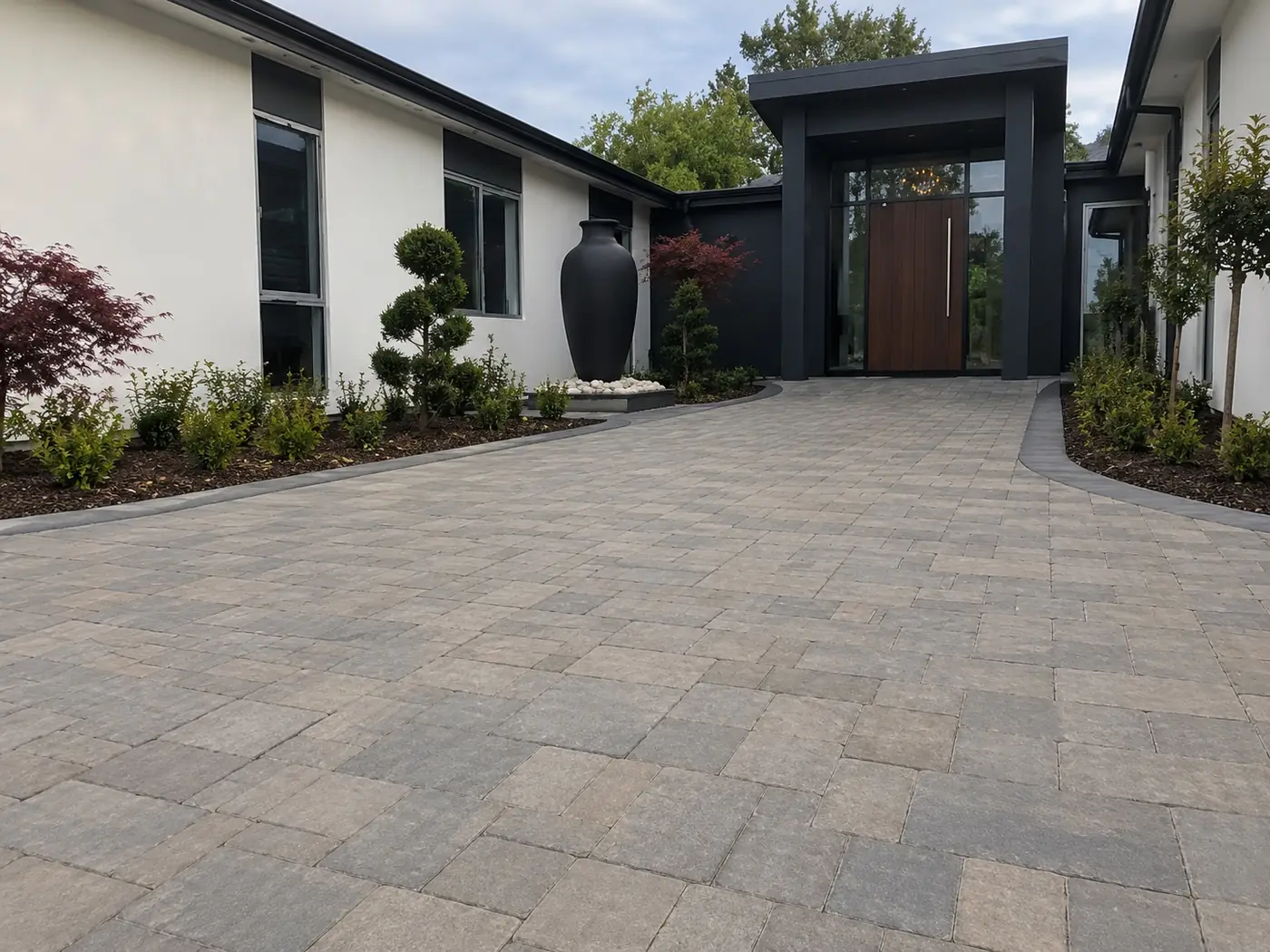
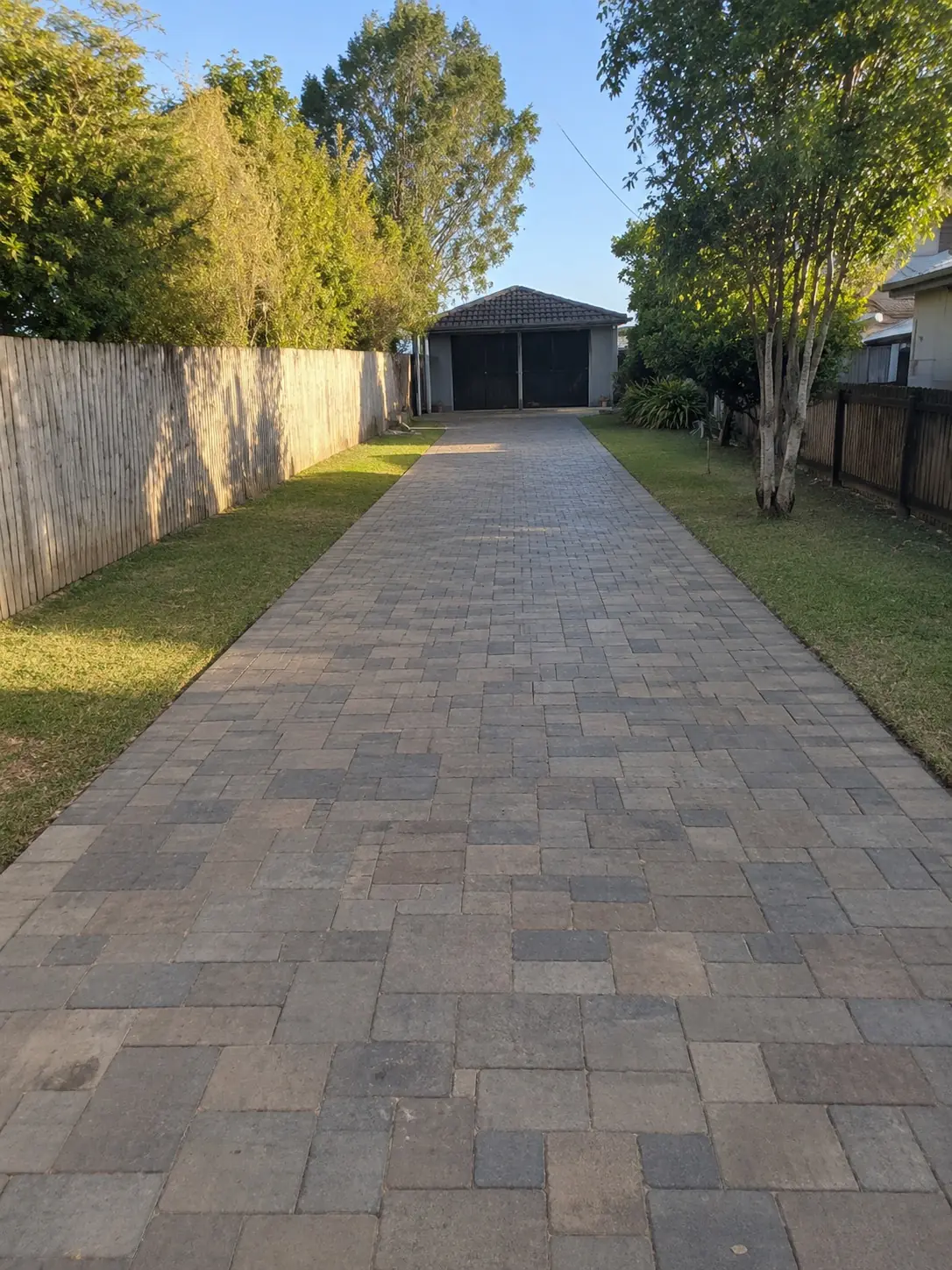
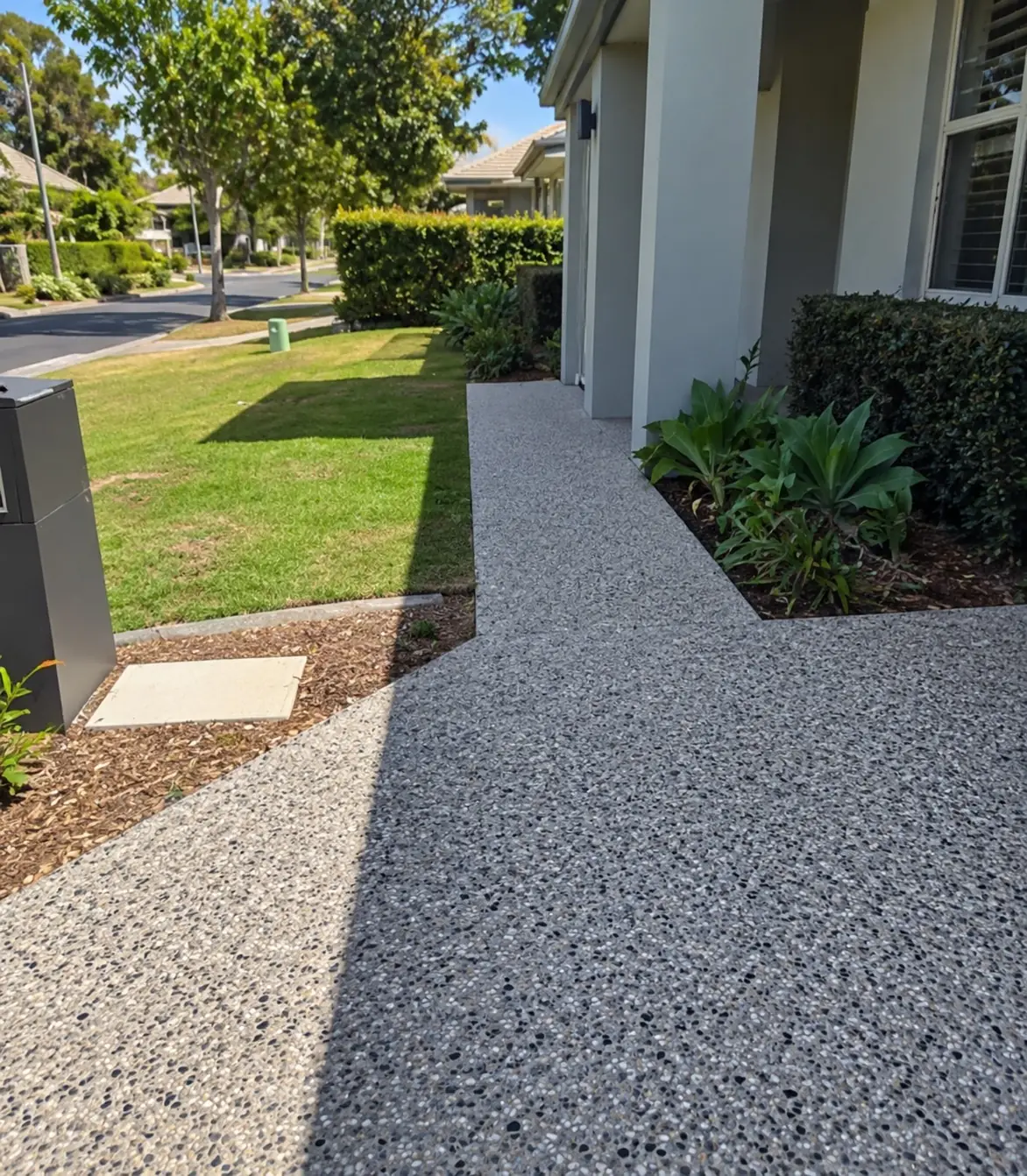
Concrete Laying FAQs
The questions we hear most from Darwin clients about laying concrete: what goes under a slab, preparing local soils, positioning steel, curing, wet-season pours and approvals.
From the bottom up, there's the subgrade first: the natural ground left once we've removed topsoil, roots and any soft or unsuitable material. Over that goes compacted crushed rock or a similar quarry base, laid in layers so it spreads the weight evenly. Indoor floor slabs then get a vapour barrier to keep ground moisture from rising. Next is the steel, propped up on plastic or wire chairs so it ends up inside the concrete rather than lying on the base. The concrete goes on last. Each layer depends on the one beneath it, so the build-up order and how well we compact matter just as much as the strength of the mix.
Darwin's ground is far more varied than most people expect. A lot of the city sits on lateritic gravel and ironstone, some suburbs have clayey soil that drains badly and goes soft in the wet, low ground near creeks and mangroves can be soft and salty, and one block can have ironstone just under the surface at one end and deep fill at the other. A slab poured on poorly prepared ground follows all that movement and sooner or later it cracks. When we dig out the worst material, build a well-compacted base and manage drainage, your slab sits on an even, stable platform and moves as one piece instead of flexing over hard and soft spots.
It depends on your ground and what the slab will carry. A path on firm natural ground might only need a thin, well-compacted layer. A driveway over soft clay or silt needs a lot more, and on very weak soil we may lay geotextile fabric under the rock so it doesn't push down into the ground. However deep it ends up, we place and compact the base in thin layers rather than tipping it all in at once, because a thick, loose layer keeps settling under traffic for months. For house slabs, the depth comes from the engineer's design for your site classification.
Not always. If your slab will be an indoor floor, it generally should have one. Without it, moisture from the ground can rise through the concrete, damage timber, vinyl and tile glue, and add to indoor humidity, which is high enough in the tropics already. Outdoor slabs like driveways, paths and patios usually don't need one, since moisture coming through them doesn't hurt anything. When we do lay a membrane, it has to be unbroken to work: wide taped overlaps, sealed pipe penetrations and edges turned up around the outside. A torn or badly lapped sheet won't do much, so we check it before any concrete goes in.
Inside the concrete, at the height the design calls for, and never lying on the base. Steel does its job by handling tension, and in most ground slabs that means sitting the mesh on chairs towards the middle or upper part of the slab depth. Mesh left on the ground does almost nothing. It also needs enough concrete cover so moisture can't easily get to it, which matters even more outdoors and near the coast where there's salt in the air. Getting this right adds very little time, but plenty of crews cut corners, so we check chair heights and cover before every pour.
You can usually walk on it carefully after one to two days. Keep cars off for about a week, and hold off on heavy vehicles, structural loads or machinery until the concrete is close to its design strength, which takes about 28 days. Hot weather makes concrete set faster, but it doesn't shorten those wait times. Keeping the surface from drying out too quickly in those early days matters just as much, because fast moisture loss causes surface cracks and weaker concrete. In harsh sun or a drying breeze, we use curing compounds, damp covers or evaporation retarders to slow things down.
All concrete shrinks as it dries and hardens, and that shrinkage will crack your slab somewhere unless we give it a better place to go. Control joints are planned weak lines, cut or tooled to about a quarter of the slab depth, so the crack forms neatly in the joint instead of wandering across your surface. Timing is everything: cut too late and random cracks may have started already, cut too shallow and the joint won't work. Spacing matters as well, and long skinny shapes or inside corners need extra care. We plan your joint layout before the pour to suit the shape of the area.
Yes, with tighter planning and a bit of flexibility. A big storm can flood an open excavation, force a pour to be rescheduled at short notice, pockmark a fresh finish or leave the ground too soft for a loaded truck. The heat and humidity of the build-up and wet season make concrete go off fast too, so we may add a retarder, pour in the cooler early morning and keep your slab covered and damp while it cures. We work all year round, but wet-season timelines include more buffer and we'll warn you early about likely weather delays. If your job isn't urgent, the dry season from about May to October is often easier.
Then we pump it or barrow it in. A line pump or boom pump can send concrete a long way, and over your house, fence and garden beds, which is handy for back yards, under-house areas and tight side access in many older Darwin suburbs. Pumping does cost extra, and the pump needs a level spot on the street or driveway to set up. Barrowing works for small amounts over short distances but takes more labour. On bigger areas, splitting the job into separate pours with a proper construction joint can help as well. We work out the best method when we visit and include it in your price.
It depends on what the slab is for. A simple driveway, path or patio on your own property often doesn't need a building permit, but linking a new driveway to the street usually needs your local council's approval. Slabs for houses, extensions, garages and bigger sheds generally count as building work, which may need a building permit from a registered building certifier and engineering to standards such as AS 2870. Every case is a little different, so check with your council or a certifier before you start. Before we dig, we request service plans through Before You Dig Australia so we can steer clear of buried pipes and cables.
Other services you might need
Got a concrete job in mind?
Send us your address and we'll arrange a time to look over the site with you.