Darwin Reinforced Concrete Contractors
Call 08 7943 6030Reinforced Concrete in Darwin
Reinforced concrete in Darwin delivers the extra strength needed for structures that carry heavy loads or face harsh conditions. We install reinforced concrete in Darwin for slabs, footings, walls, driveways, car parks and industrial floors, using steel bar and mesh placed accurately to engineering requirements. This combination resists cracking, bending and long-term movement far better than plain concrete.
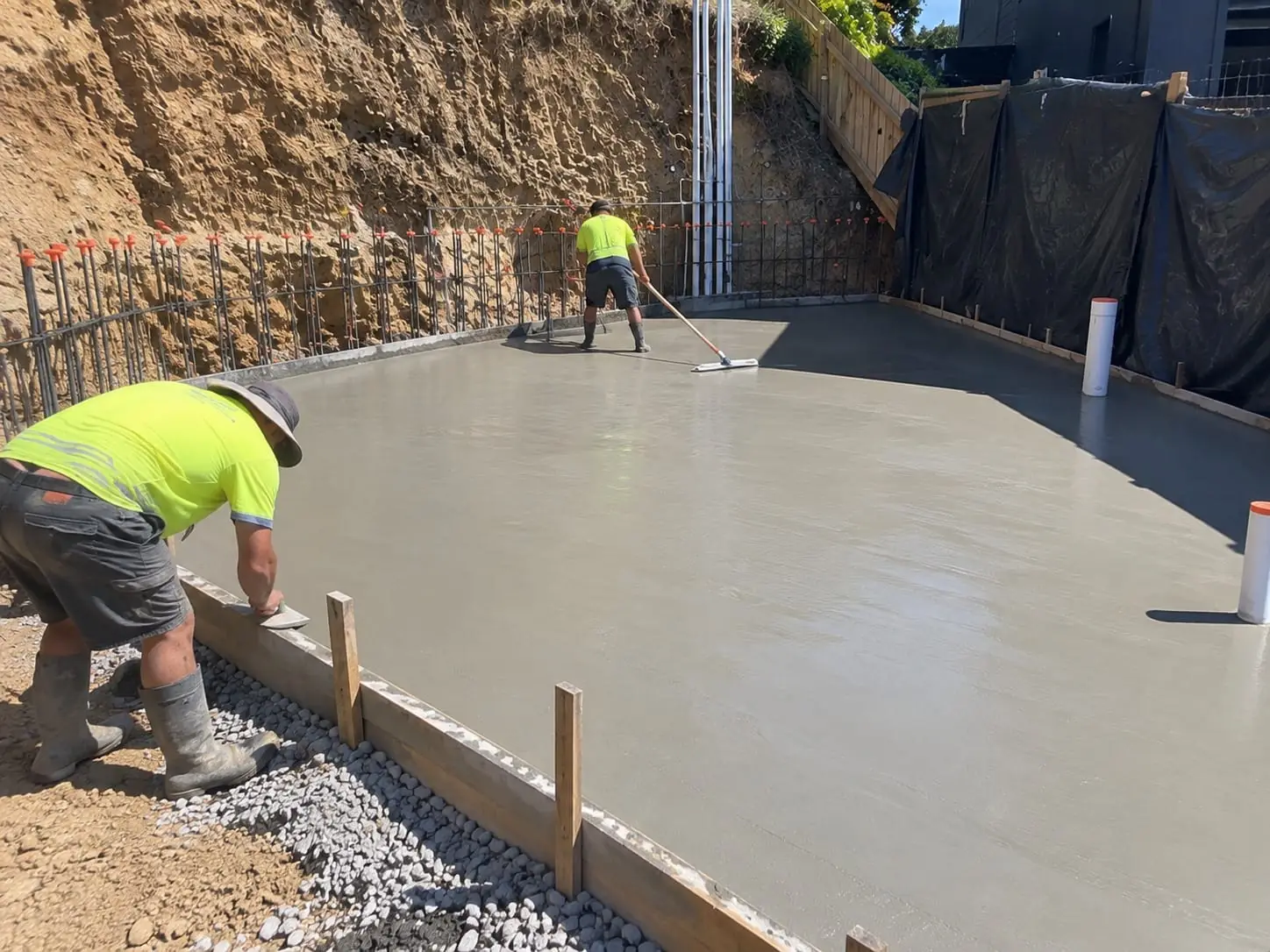
Our experienced team handles the full process, including cutting and tying steel, formwork, pouring and finishing. We make sure reinforcement is correctly positioned and fully covered, which also protects against corrosion in Darwin's humid, coastal environment. Whether your project is residential, commercial or industrial, we deliver strong, compliant results. Call us today to request a free quote for reinforced concrete in Darwin.
Our Reinforced Concrete Work in Darwin
Stiffened Raft Slabs for Homes
We build raft slabs with stiffened edge and internal beams for new homes, granny flats and extensions on all kinds of Darwin ground, from lateritic gravel to softer clay. We set out the beam trenches, place trench mesh and bar to your engineer's layout, and form shower and garage recesses before we pour.
Suspended Slabs and Decks
Need a balcony, a deck over your carport or a floor spanning low or uneven ground? Suspended slabs rely on formwork, propping and heavier steel. We plan the props and stripping times carefully, so your slab only takes its own weight once it's ready to.
Pier and Stump Footings
We pour bored or pad footings for elevated tropical homes being restumped or raised, as well as carports and pergolas. Each footing gets a cage or starter bars sized to suit the post or column, so the load from above travels into firm ground, not soft topsoil.
Reinforced Core-Filled Blockwork
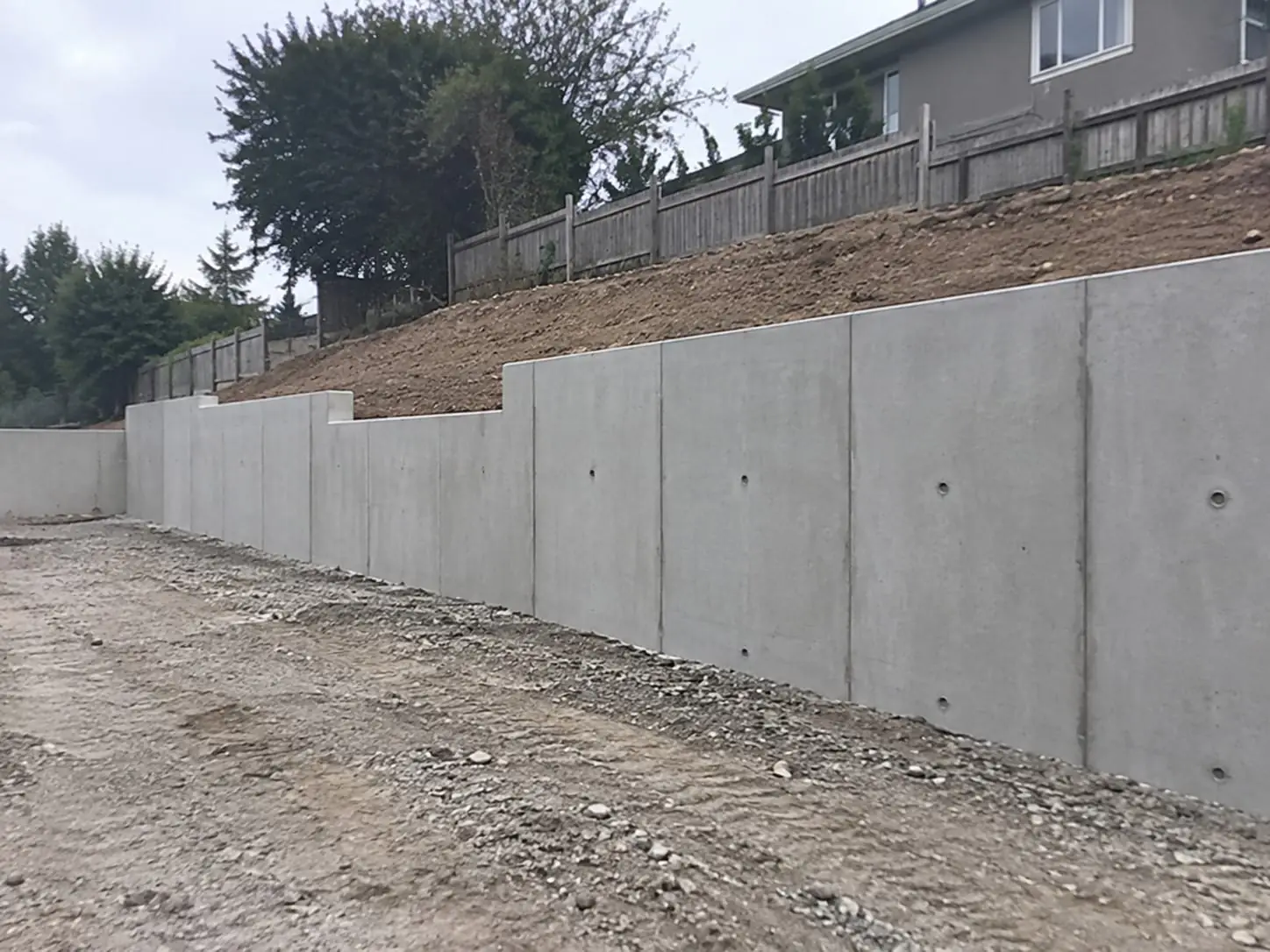
Block walls for boundaries, sheds and low retaining depend on vertical bars and grout pumped down the cores. We place your steel at the spacing on the drawings, check the laps course by course and fill every core completely, so there are no hollow spots inside your wall.
Cyclone Hold-Down Footings
Your shed, carport or patio roof needs footings that stop wind lifting it, not just carry its weight. In cyclone country like the Top End, we cast in the hold-down bolts and brackets your engineer specifies into properly reinforced pads.
Pads for Caravans and Boats
Caravans, boat trailers and motorhomes press their weight through jockey wheels and stands that sit in one spot for months. We thicken your slab under those points and run heavier bar along the edges where you reverse trailers on and off.
Getting Started With Reinforced Concrete in Darwin: Three Simple Ways
Good reinforced concrete starts with good planning. Whether you need a house slab, footings for restumping an elevated home or a heavy-duty driveway, we begin by working out exactly what it has to hold up.
- Email us your engineering spec: Send through your engineer's details, and we'll review bar sizes, mesh, cover and concrete strength before we quote.
- Don't have plans yet? Tell us about your project and we'll suggest where to find an engineer, or explain what a designer will probably ask you.
- Request a detailed breakdown: We'll list steel, formwork, concrete and labour separately in your quote, so you can see where every dollar goes.
Up here, your steel needs enough concrete cover to stop salty sea air and tropical moisture rusting it over the years. We place chairs, spacing and laps exactly to your drawings and check it all before we pour. Have a chat with us today and get a free, detailed quote.
Why Darwin Clients Rely on Our Steel Work
Steel Ready Well Ahead of the Pour
We aim to have every bar tied, every lap secured and every chair placed at least a day before the trucks arrive. That gives time for an inspection and any fixes, rather than scrambling while a truck sits idling.
Eyes on the Mesh During the Pour
Boots and barrows can push mesh down as concrete goes in. One of our team watches the steel the whole time, lifting any sheet that drops so it stays at the right height across your entire slab.
We Check With Your Engineer
If a drawing isn't clear, or a detail doesn't suit what we find on site, we call your engineer before any steel is cut or placed. Fixing it on paper costs you far less than fixing it after the concrete has gone off.
We Ask What the Slab Will Carry
A bin path and a pad for a loaded tradie ute or delivery truck need very different steel. We ask what will really sit on and drive across your slab, then make sure the reinforcement matches.
Your Ground Checked on Site
Soft clay, loose fill and low, wet blocks all change how hard your steel has to work. When we visit, we look at soil type, fall and drainage, and build what we find into our advice for your slab or footing.
Clean Steel, Better Bond
Concrete grips clean bar best. We keep your reinforcement out of the mud, knock off loose rust and keep form oil off it, so the steel and concrete bond properly and work together the way they're designed to.
Recent Concrete Jobs Around Darwin
Reinforced Concrete FAQs
What Darwin clients ask us about reinforced concrete: steel in driveways, mesh versus rebar, cover near the coast, adding steel later and working to your engineer's design.
For nearly every driveway, yes. Steel won't stop cracks, because all concrete cracks somewhere, but it holds the slab together across those cracks so they stay fine and tight instead of opening up and letting each side move on its own. On clayey or badly drained ground that swells in the wet and shrinks in the dry, and with family cars, work utes and the odd delivery truck on top, an unreinforced driveway tends to split at the cracks and sink unevenly within a few years. Mesh is only a small part of your total cost, yet it does more than almost anything else to decide how long your driveway lasts.
Mesh is factory-made sheets of fairly light welded wire that we overlap on site. It's ideal for slabs and driveways where the load spreads evenly across the surface. Rebar is heavier single bar, bent to shape and tied into cages, and it goes where loads concentrate, like footings, retaining walls, thickened slab edges and beams. Lots of jobs use both, with mesh across the main area and bar along edges and structural parts. Your engineer's drawings show what goes where, and whichever we use has to sit on chairs to hold it at the right depth in the concrete.
Cover is the depth of concrete between the steel and the outside surface, and it's your steel's main protection. In seaside suburbs like Nightcliff, Fannie Bay, Cullen Bay and Larrakeyah, salt carried on the sea breeze gradually works into concrete, and once enough reaches the steel, it starts to rust. Rust takes up much more space than the original metal, so corroding bar pushes outwards and cracks the concrete from the inside. You'll often spot it first as brown stains and flaking along edges, where cover is usually thinnest. AS 3600 ties minimum cover to how harsh the exposure is, and getting it right during the build costs far less than repairing it later.
Not in any way that adds real structural strength. Reinforcement only works when concrete is cast around it, so it has to be in place before the pour. For an existing slab, your options are different: saw-cutting control joints to guide where future cracks go, epoxy injection to rejoin structural cracks, or a bonded topping to refresh a worn surface. If the original steel was left out or badly placed and the slab has broken up, replacing it is usually smarter than patching, and we'll give you an honest view on where yours sits.
Yes, it's a standard part of what we do, and for any structural element we'd expect you to have a design. We fix bar sizes, spacings, laps and cover exactly as drawn, and we're glad to have your engineer or building certifier inspect the steel before the pour, as that check protects you more than anyone. If something on site doesn't match the plans, or the ground looks different from the soil report, say unexpected ironstone or a pocket of soft fill, we stop and raise it with you and your engineer first, not once the concrete is down.
Other services you might need
Need a price on reinforced concrete?
Send us your engineering plans, or just your address, and we'll prepare a detailed quote.